Journal
More Tampa Homeowners Are Building Backyard Cottages as ADU Rules Loosen
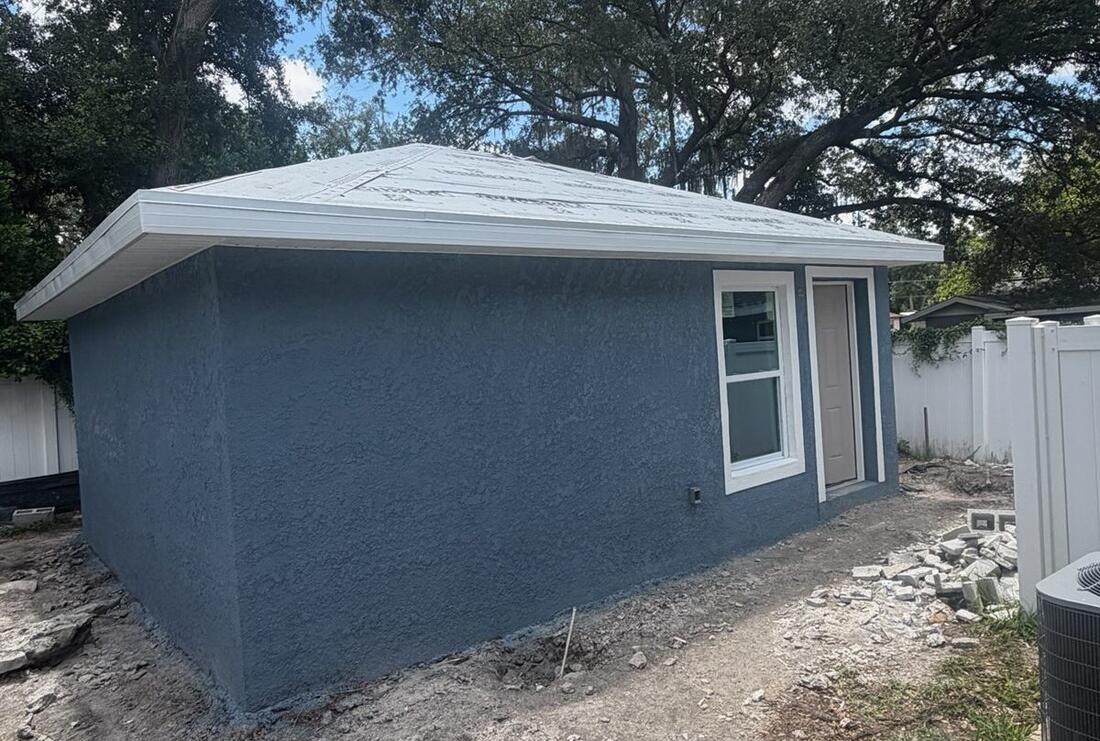
Since Tampa expanded where accessory dwelling units can be built and loosened who has to live in them, 28 homeowners have started the process and seven have already finished construction — including a Sulphur Springs mother building a 400-square-foot unit for her aging parents.
Twenty-eight Tampa homeowners have started the process of building an accessory dwelling unit on their property since the city loosened its rules on the small backyard structures, and seven of those projects are already finished, according to the City of Tampa.
The update, highlighted by the city on August 19, comes two years after Tampa first legalized accessory dwelling units, commonly known as ADUs, in July 2024. An ADU is a smaller, secondary living space built on the same lot as a single-family home — often a converted garage, a backyard cottage, or an addition — designed to house a family member, a home office, or a tenant. The city's planning department describes the units as a way to offer more affordable housing options precisely because they're smaller and cheaper to build than a standalone home, while still giving the property owner independent living quarters with their own kitchen, bathroom and sleeping area.
Not every Tampa homeowner can pursue an ADU under this specific program. The city's planning department lists four zones where the standard ADU rules apply: Seminole Heights, the area around Lowry Park, the East Tampa Overlay and the Tampa Heights Overlay, according to the department's program page — plus the additional neighborhoods added in the 2024 reform. Outside those areas, homeowners can still add a secondary unit only through a separate track called an Extended Family Residence, which is restricted to housing relatives and carries its own, slightly different set of requirements. The city directs residents to a GIS map viewer to check whether a specific address qualifies before applying.
City planners revised the original ordinance that October, widening both where the units are allowed and who is allowed to live in them. The eligible area, initially limited to Seminole Heights, East Tampa, Tampa Heights and Armenia Gardens Estates, now also includes Sulphur Springs, Temple Crest, Wellswood and parts of Riverside Heights. The reform also dropped a requirement that the property owner live in the main house, allowing owners to occupy either the primary residence or the ADU itself, and it changed the occupant cap from two people to two unrelated occupants.
"Accessory dwelling units give homeowners alternative housing opportunities to serve immediate family needs or create a possible rental opportunity," Mayor Jane Castor said in the city's announcement. "We are proud to see Tampa homeowners taking advantage of these opportunities and finding creative ways to make their homes work for them."
When the city reformed the policy in 2024, Castor framed it as part of a broader push to expand housing supply and affordability, and pointed to the need for new approaches to the problem, according to Bay News 9's coverage of the policy change at the time. The city has cited a shortage of roughly 26,000 affordable housing units across Tampa.
One of the homeowners moving through the process now is Hope Kiriisa, who lives in Sulphur Springs — one of the neighborhoods added to the eligible zone under the 2024 reform. Her ADU, about 400 square feet, is nearing completion.
"I have aging parents, so I wanted to have that as an option in the future," Kiriisa said in the city's release. "But I also wanted the flexibility to use it as a home office, a rec room or a rental unit."
Kiriisa's plan reflects the flexibility the city built into the ordinance: rather than committing a backyard structure to a single use, homeowners can shift an ADU between family housing, workspace and rental income depending on what they need at a given time. That was one of the stated goals behind loosening the occupancy rules in 2024, when the city also raised the occupant limit and removed the requirement that owners live in the primary home.
Homeowners weighing an ADU still have to clear the city's standard building and permitting requirements before construction can begin, and the process runs through Tampa's Development and Growth Management Department rather than a separate ADU-specific office. The department fields questions on where a property falls within the eligible boundaries, what design standards apply, and how the permitting timeline works for a given lot — details that vary enough by address and neighborhood overlay that the city directs residents to check with planning staff rather than assume a blanket set of rules applies citywide.
The city has not released a timeline for how many additional ADU applications it expects, nor has it detailed the size or cost range of the seven completed projects beyond Kiriisa's. Homeowners interested in pursuing an ADU can apply through Tampa's city planning department, which oversees the permitting process and can confirm whether a specific address falls within an eligible zone.
Because ADU eligibility is still tied to specific neighborhoods rather than citywide, homeowners outside the current boundaries — including much of Tampa beyond the eight named areas — remain unable to add a unit under this program regardless of lot size or zoning otherwise. The city's release did not indicate whether further geographic expansion is under consideration.
For now, the update stands as a snapshot of a two-year-old policy that is still working its way through Tampa's housing stock one lot at a time — a small but measurable share of homeowners testing whether a backyard unit can flex between family, function and rental income as their needs change.