
How Tampa Bay Adapted in 2025
- Dec 15, 2025
- 3 min read
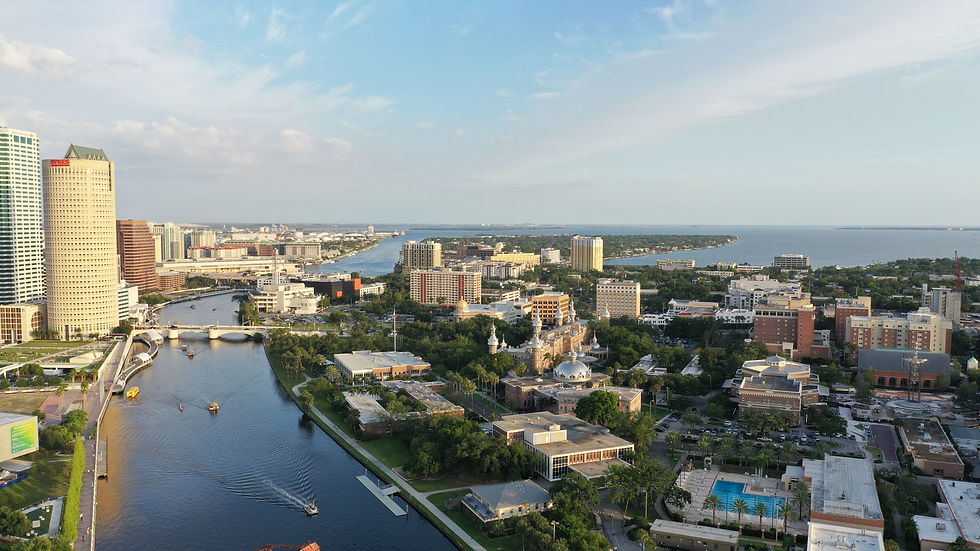
2025 was a defining year for Tampa Bay’s creative economy. What started as a slow, post-pandemic rebuild transformed into a full-scale cultural shift, one driven by local makers, small brands, artists, technologists, and young entrepreneurs who refused to wait for opportunity. Instead, they created it.
From pop-up markets to digital innovation to neighborhood-level revitalization, Tampa Bay didn’t just adapt in 2025, it evolved. Here’s how the region reshaped its creative landscape and set the stage for an even more vibrant 2026.
1. Pop-Up Culture Became a Major Economic Engine
2025 was the year pop-ups went from “cute weekend activity” to a legitimate pillar of the local economy.
Across Tampa, St. Pete, Clearwater, and everywhere in between, markets exploded in size and frequency. Local events like:
seasonal artisan markets
specialty-themed pop-ups
holiday showcases
immersive creative festivals
neighborhood vendor days
…became the place where people shopped, networked, built brand loyalty, and tested new business ideas.
For many makers, 2025 marked the moment when pop-ups turned into their primary revenue stream, and for some, a stepping stone to permanent storefronts.
2. Independent Creators Became Cultural Leaders
Tampa Bay’s independent creators didn’t just sell products in 2025, they shaped local culture.
We saw growth in:
ceramicists and sculptural home-goods designers
vintage and curated fashion brands
digital artists and illustrators
handcrafted beauty and wellness lines
micro food and beverage makers
lifestyle content creators who set new aesthetic trends
These creators brought fresh identity and personality to the Bay, helping the region step confidently into a more modern, design-forward era.
3. Coffee Shops & Creative Spaces Became the New Work Hubs
As more people sought community-driven environments, coffee shops, studios, and shared spaces evolved into creative incubators.
2025 trends included:
cafés hosting markets, artist pop-ups, and collabs
cowork-style cafés attracting remote workers
hybrid retail-coffee concepts
local makers partnering with shops for limited drops
Creative businesses didn’t just sell in these spaces, they grew in these spaces, using them as hubs for connection, experimentation, and collaboration.
4. Digital-First Brands Thrived
2025 was the year Tampa Bay founders fully embraced digital strategy, and it paid off.
Small businesses leveled up their:
content creation
short-form video
local influencer partnerships
online shops
SMS/email community building
Creators who merged strong online strategy with in-person community engagement saw exponential growth. For many Tampa Bay brands, this hybrid approach became the new blueprint.
5. Neighborhood Identity Became More Defined
Areas like:
Seminole Heights
Downtown St. Pete
Gulfport
Ybor
Armature Works district
West River
Central Ave corridor
…started strengthening their identities through art, events, local retail, and community-led initiatives.
Each neighborhood leaned into what made it unique, and that diversity made the entire region feel richer and more layered.
6. Young Entrepreneurs Stepped Into the Spotlight
2025 was a breakthrough year for younger founders in Tampa Bay. With access to:
more markets
more mentorship
more accessible leasing
a supportive consumer base
…Gen Z and young millennial entrepreneurs launched brands at record speed.
Everything from candle studios to clothing lines to food startups to photography collectives entered the scene, injecting new energy and filling niches no one realized the region needed.
7. Collaboration Replaced Competition
Perhaps the biggest shift? 2025 became the year collaboration became the default.
Creators shared resources. Brands cross-promoted. Cafés partnered with artists. Small businesses lifted each other up instead of fighting for scraps.
This collaborative ecosystem is one of the reasons Tampa Bay’s creative economy grew so quickly, and why it feels so sustainable going into 2026.
Looking Ahead: What 2025 Set in Motion for 2026
Tampa Bay’s creative economy didn’t just adapt in 2025, it built a stronger foundation than ever.
Expect 2026 to bring:
more market-style retail concepts
more creative-business incubators
more funding and grants for makers
more neighborhood events
more creator-led brands entering the spotlight
more digital innovation from local founders
Tampa Bay has momentum and 2025 was the year it hit a turning point.
The future of the Bay’s creative economy is bright, bold, and being built at the community level every single day.


Comments